
How to Start a Modeling Portfolio
Hey There, My name is Jess and I have been a Portrait Photographer for the last 18 years. I’ve worked along side incredibly talented career Fashion photographers and Designers, as well as Modeling Agencies and Coaches. Creating a strong modeling portfolio is essential to showcase your unique look and talent, and you’d be surprised at how easy it is to make yourself stand out with a little bit of research and effort.
Here’s a step-by-step guide to get your Modeling Portfolio started:
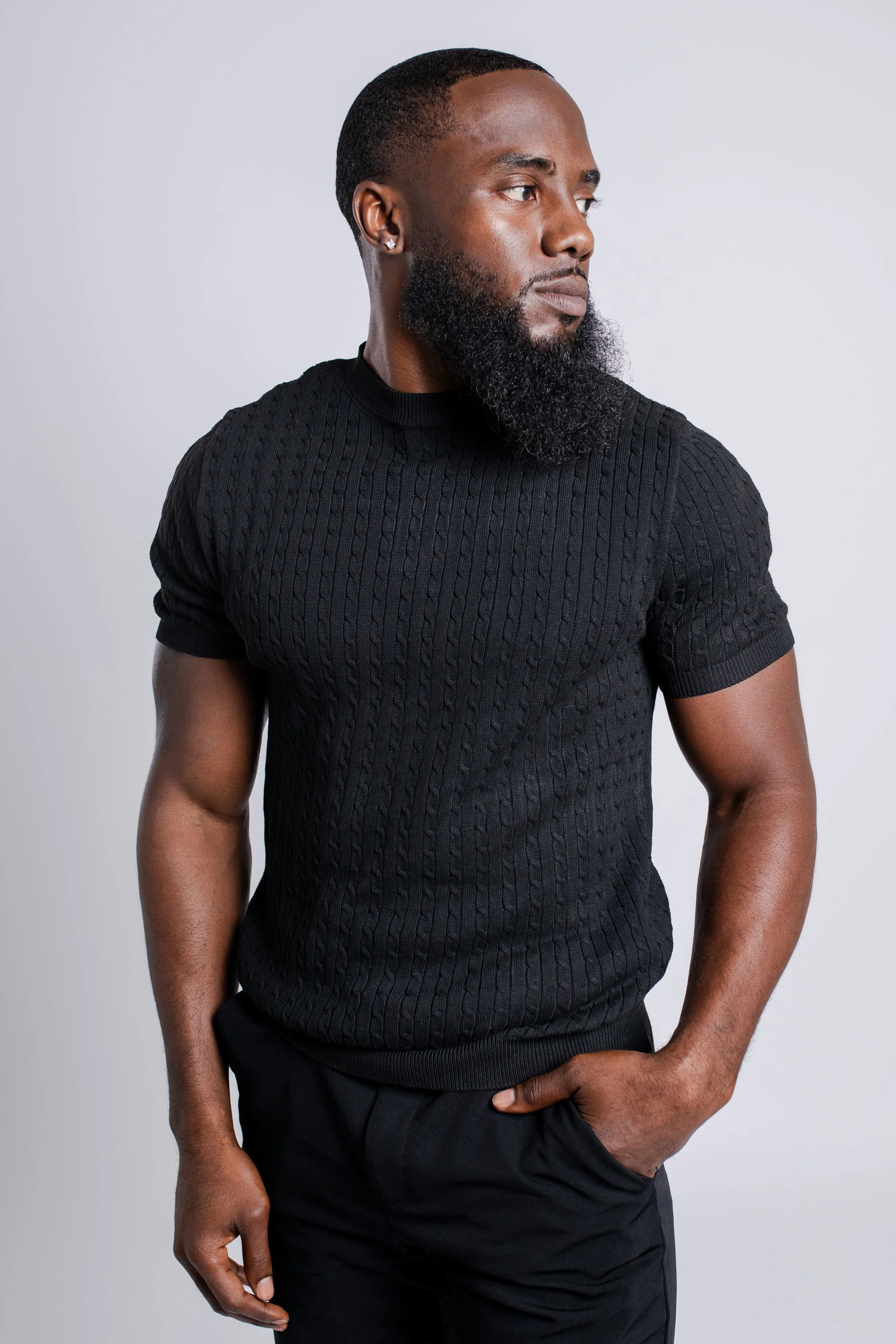
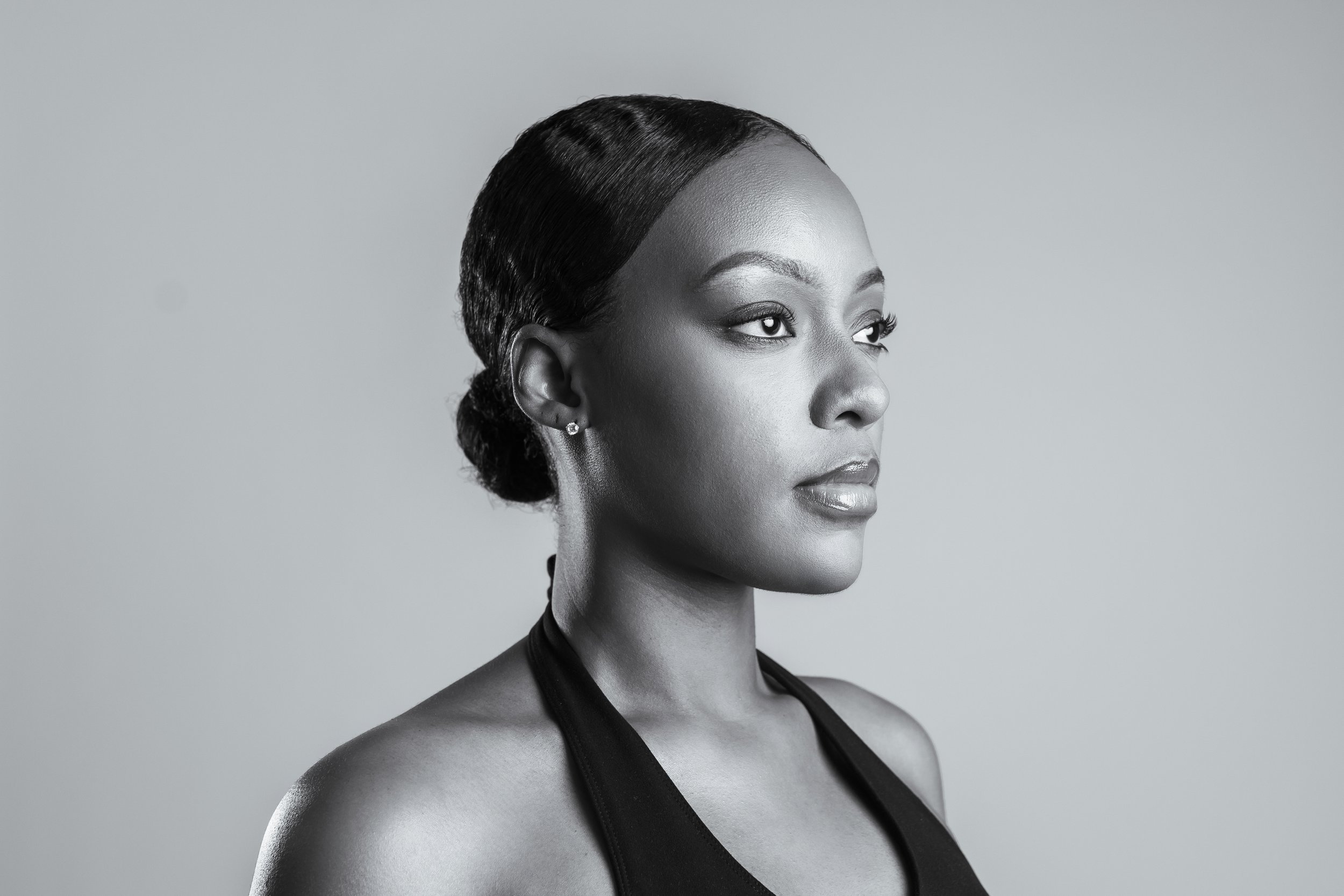
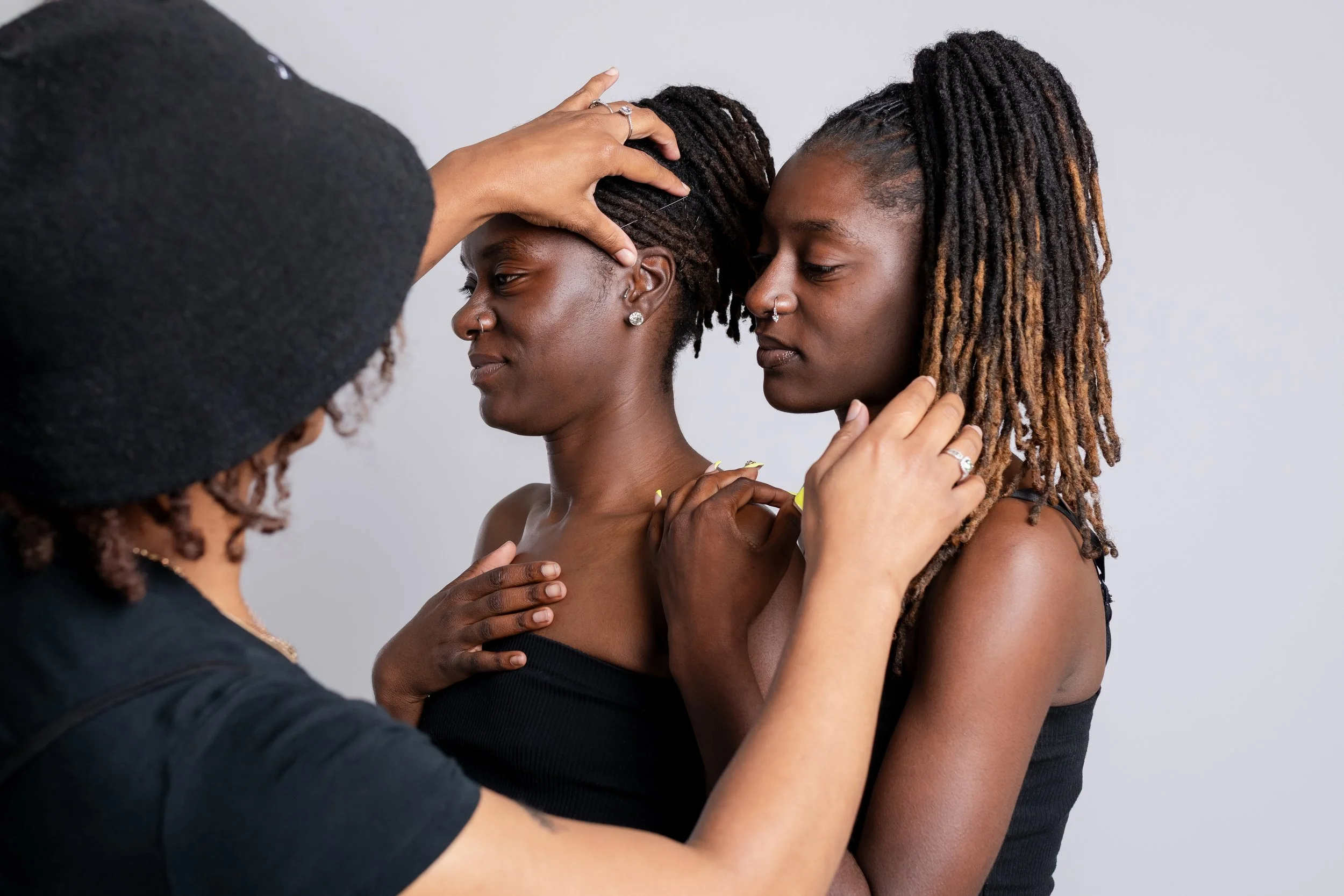
1. Understand Your Modeling Niche
Identify the type of modeling you want to pursue: fashion, commercial, fitness, runway, or lifestyle for example. Your portfolio should highlight your strengths within your chosen niche. Research the market to see what type of images and styling are current for that specific space! And don’t hole yourself into one. Be open minded. An Agency can tell you which type of work you would do best in, but that doesn’t mean that all others are off limits!
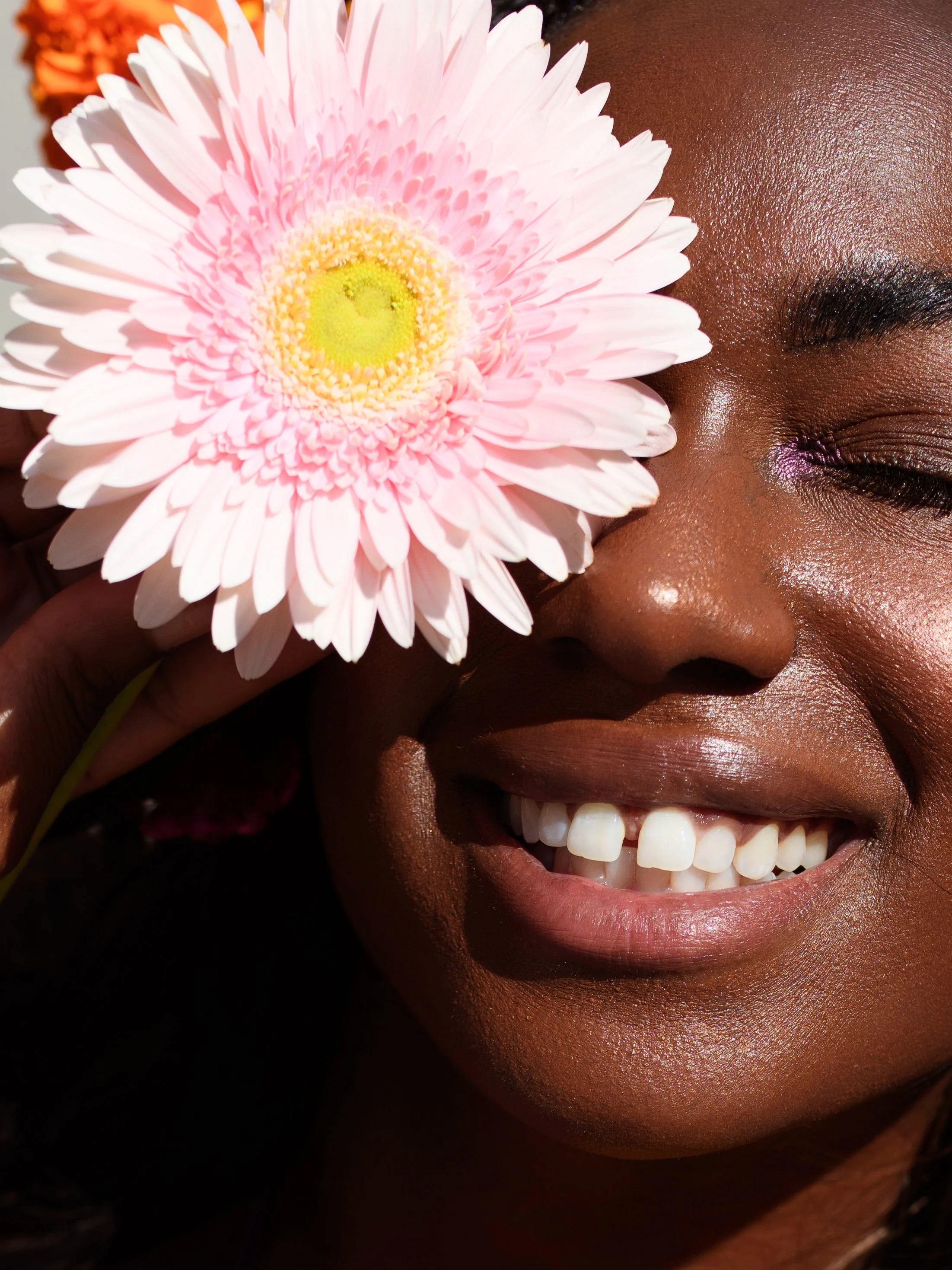
2. Invest in Professional Photos
This may seem like a big fat DUH, but this is where a lot of models try to cut corners. Iphone photos only get you so far. Work with a professional photographer who understands modeling portfolios. Aim for a mix of shots:
Headshots: Clear, natural photos highlighting your face.
Full-body shots: Show your physique and posture.
Variety of Looks: Include both casual and more styled images.
Keep your makeup and hair natural at first to showcase your true appearance, then you can lean into your creative side with styled hair, makeup and concept work.
The goal is to have the basics first! Most Agencies will ask you for Digitals before anything else. This means zero makeup, hair completely out of the face and against a plain white wall with NO retouching. If you don’t have this, here is a great video on how to do this at home, but you may also book a Professional Photographer for these if you’d rather have it done for you!
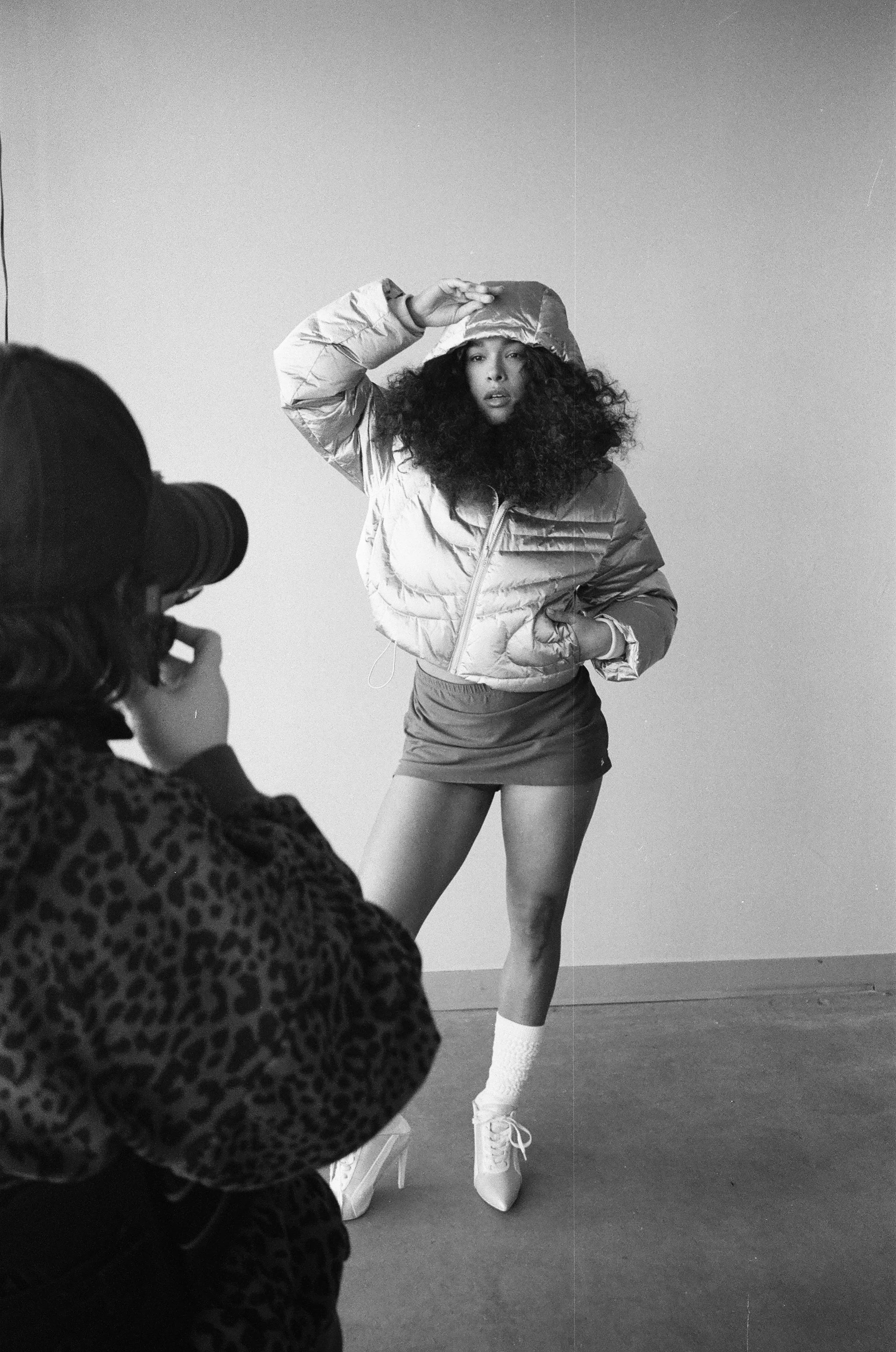
On Set with Fashion Photographer Bonnie Nichoalds
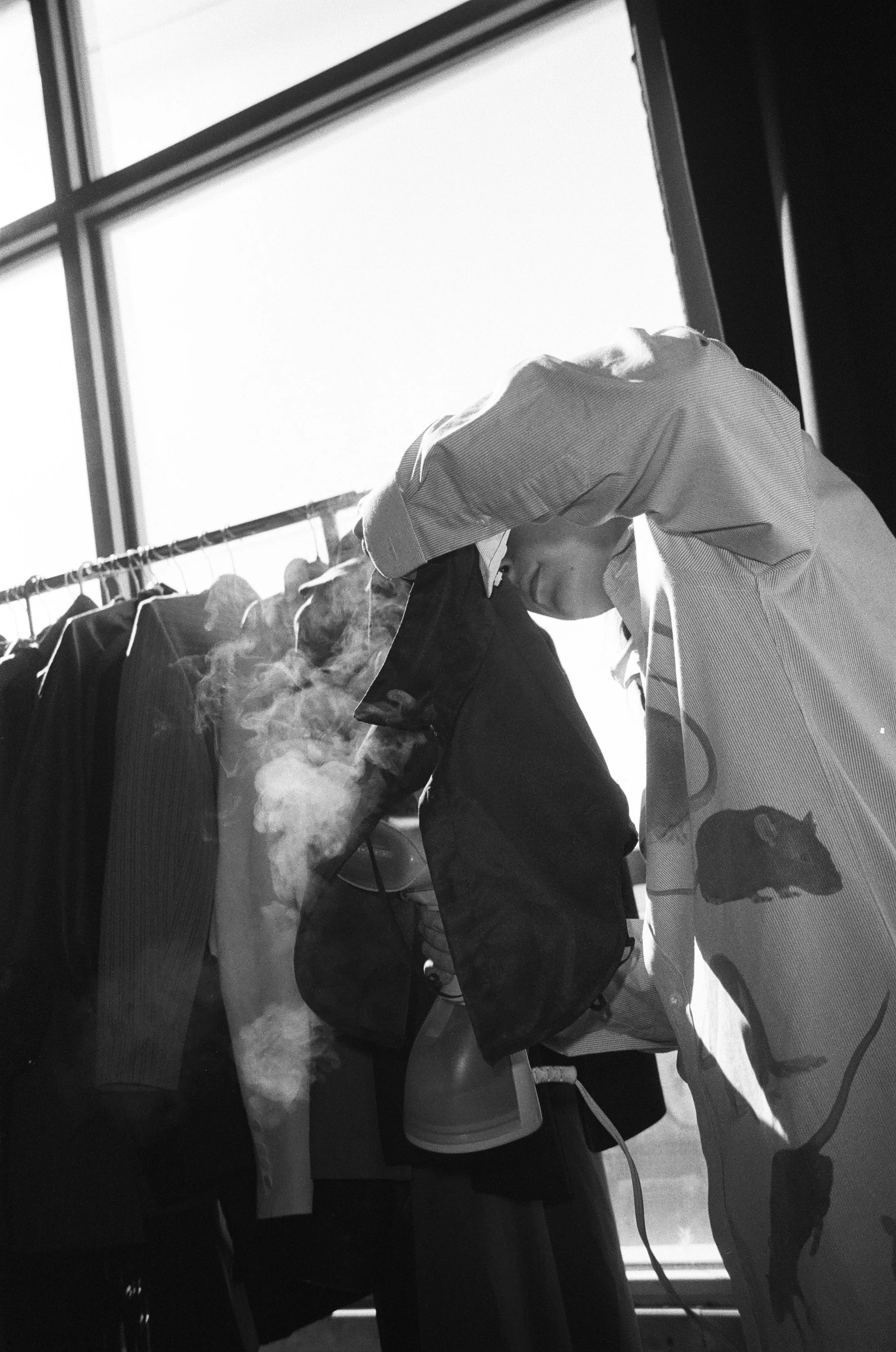
Fashion Photographer and Stylist Joa Frey
3. Keep It Simple and Authentic
Agencies and clients want to see the real you. Avoid heavy retouching or overly styled photos until you’ve established your portfolio. Be extremely selective about the Photos you do share, do not dump an entire photoshoot in one go!
One Session should create 10+ pieces of content if you do it correctly. Here is a great example of a branding client who makes the most out of her photoshoot campaigns.
4. Choose the Best Images for your Portfolio
Select 6 to 10 high-quality photos that show your versatility. Include images that display different emotions, poses, and angles. Remember to make sure they are clean, professionally done and not over-edited.
5. You NEED a Comp Card!
A Comp Card or Composition/Zed card is a physical business card for Model and Actors that contains all of the important information Clients need to know before hiring you. They are tangible pieces of information that help casting calls remember you long after you’ve left the audition. Showing up with a clean, physical card shows that you take this seriously. Here is what your card should contain:
A strong Headshot or Multiple Photos if double-sided
Height, weight, and measurements, including bust, waist and hips. As well as Shoe size and Dress size.
Hair and eye color
The best way to contact you: phone number, website and/or email
Make sure this information is easy to read. Keep your card simple. Here is a video on how to properly take your measurements (have a friend help) and here is a link to download my Free Comp Card Canva Template to create your own composition card in a few easy steps.
6. Print and Digital Versions
Have both physical prints (aka Comp Card) and a digital portfolio ready. Many agencies now prefer online portfolios, but having printed photos for castings or meetings can still be extremely beneficial.
7. Update Regularly
Your portfolio should evolve with your experience and look. Schedule new shoots every 6-12 months to keep your images fresh.
8. Build an Online Presence
Create a simple, professional website or social media page dedicated to your modeling portfolio. This can increase your visibility and make it easier for agencies or clients to find you. Keep your instagram and tiktok handles strictly to your name if available. Try to avoid adding the word MODEL in your actual handle. That can go in your bio!

Building a modeling portfolio takes time and effort,
but it is a crucial step toward launching your career. Stay authentic, keep it professional, and showcase your unique story. Career Models, If I missed anything, please leave a comment below!! There is plenty of industry support and I want this to be a comprehensive guide for anyone just starting out!
If you ever have questions, need help reviewing your portfolio or would like to book a Portfolio Building Session, I’m always just a click away! :)
